Orthodontic preventive care focuses on early detection and intervention to correct potential bite and alignment issues before they become severe. By monitoring dental development at an early age, orthodontists can guide jaw growth, prevent overcrowding, and reduce the need for extensive treatment in the future.
At Mid Peninsula Orthodontics in Palo Alto, CA, we specialize in preventive orthodontics. Our goal is to help children and adolescents develop healthy, properly aligned smiles. Through routine checkups and early intervention strategies, we ensure that small orthodontic concerns don’t turn into major problems later in life.
Signs That Preventive Orthodontic Care May Be Needed
Early orthodontic evaluations help detect and address potential alignment concerns before they require more complex treatment. Your child may benefit from orthodontic preventive care if they have:
- Early or late loss of baby teeth, which can affect the proper eruption of permanent teeth
- Crooked, crowded, or overlapping teeth
- Difficulty chewing, biting, or speaking clearly
- Prolonged habits such as thumb-sucking or pacifier use beyond age 3
- A narrow upper jaw, causing a crossbite or breathing issues
- Jaw pain, clicking sounds, or frequent headaches due to misalignment
- Noticeable gaps between teeth that could cause shifting over time
By identifying these issues early, orthodontic care can prevent long-term complications and ensure a smoother, less invasive treatment process later on.
Why Early Orthodontic Prevention Is Crucial
Many parents assume that orthodontic treatment should begin in the teenage years, but the American Association of Orthodontists recommends that children have their first orthodontic evaluation by age 7. At this stage, orthodontists can detect potential problems with jaw development, bite alignment, and tooth eruption.
Early intervention allows orthodontists to:
- Guide proper jaw growth to prevent severe misalignment issues
- Create space for incoming permanent teeth to prevent overcrowding
- Reduce the need for tooth extractions or jaw surgery later on
- Address harmful oral habits, such as thumb-sucking or tongue thrusting, that can lead to bite issues
- Improve facial symmetry and alignment during critical growth phases
By taking a proactive approach, orthodontic preventive care helps minimize the time and cost of future orthodontic treatment, leading to healthier and more confident smiles.
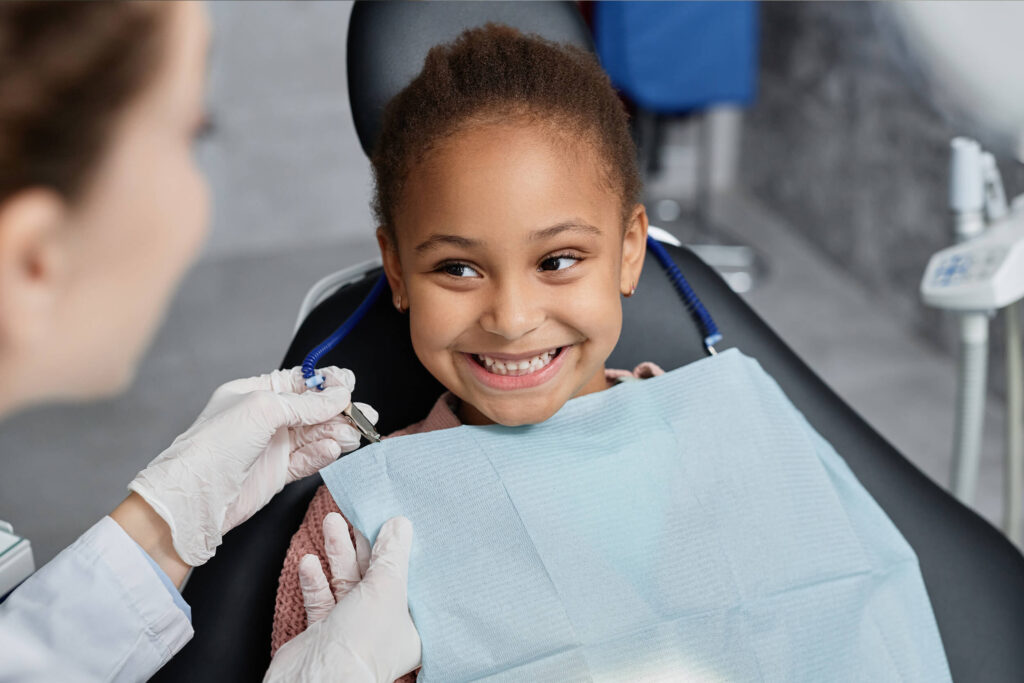
The Process of Preventive Orthodontic Care
Preventive orthodontic care involves several steps to ensure proper dental and jaw development:
- Initial Orthodontic Evaluation: A comprehensive examination, including X-rays and digital scans, helps identify early orthodontic concerns. The orthodontist assesses tooth eruption patterns, bite alignment, and jaw development.
- Monitoring and Growth Guidance: Not all children need immediate treatment, but regular checkups help track dental growth and detect changes that may require intervention.
- Interceptive Treatment if Needed: If early issues are detected, treatments may include:
- Palatal Expanders to widen the upper jaw and correct crossbites
- Space Maintainers to preserve room for permanent teeth if a baby tooth is lost too early
- Habit Appliances to discourage thumb-sucking and tongue-thrusting behaviors
- Partial Braces or Invisalign First to correct minor alignment issues before they worsen
- Customized Treatment Plan for the Future: After completing early preventive care, patients may still need braces or aligners as they grow, but due to early intervention, treatment will be significantly shorter and less complex.
How to Maintain Good Oral Health for Orthodontic Prevention
In addition to early orthodontic visits, maintaining a healthy smile involves good oral hygiene and proactive dental care. Parents can help prevent orthodontic issues by:
- Encouraging proper brushing and flossing habits to prevent cavities and gum disease
- Limiting sugary snacks and drinks that contribute to enamel erosion
- Monitoring and discouraging habits like thumb-sucking or nail-biting
- Ensuring children wear mouthguards during sports to prevent dental injuries
- Scheduling regular dental checkups to track dental development and prevent problems before they start
What to Expect After Early Orthodontic Prevention
Children who undergo preventive orthodontic care experience fewer alignment issues, reduced risk of bite complications, and a more comfortable orthodontic journey. Many patients who receive early intervention require shorter and less invasive treatments in their teenage years, as their jaws and teeth have already been guided into better positions.
With a proactive approach to orthodontic care, children can develop healthier, more balanced smiles that last a lifetime. Starting early can set your child up for a lifetime of confident, pain-free dental health.
Frequently Asked Questions About Orthodontic Preventive Care

“I have known Dr. Quo personally and professionally for over 10 years. She has helped both of my kids (9 and 12) with expansion that resulted in better smiles, sleep, and improved academics. As a fellow sleep physician, I cannot recommend any other group more. A huge thanks!”


Verified Patient
4/4/2024
“Doctor Quo and her team were all very knowledgeable, caring, and friendly. Doctor Quo’s knowledge on sleep apnea helped improve my breathing and quality of sleep a lot. Thank you Doctor Quo!”

Verified Patient
8/15/2021
“Dr. Quo is just amazing on every level. She was highly recommended and works closely with the Stanford Sleep Clinic. My 8 year old had severe sleep apnea, and after getting tonsils and adenoids removed, was one of the few not cured. Dr. Quo expanded her palette to create more room. Couldn't be happier, and feel so fortunate to have found her. Just can't say enough positive things about her.”
Verified Patient
7/6/2017